Monday, January 11, 2016
A Chain of Links...
Don't want to wade through books to start your NaNoRevMo? Want a quick article to fix a character problem, of help with a plot problem? Here is a list of links from authors and others in the publishing business who can offer editing help for your NaNoWriMo novel.
One of the best: Kathy Temean's Writing and Illustrating. As a former regional advisor of the New Jersey Society of Children's Book Writers and Illustrators, she has connections to the great and the prolific in the book world. You will find articles on almost any aspect of the writing process. Bookmark this goldmine, use it, learn from it.
Friend, writing colleague and published author Yvonne Ventresca has a blog blog that offers advice to both teen and adults writers. There are numerous articles to peruse and offer advice on whatever writing issue plagues you. Take a gander and bookmark this site too.
Voted in the top 100 sites for writers several times is fellow author Rachelle Burk's website. She has so many other links and resources for writers that if you don't look through it, you're going to miss something you need. Remember, we're focusing on editing and perfecting that story, not looking for agents and editors and how to get published at this point- don't get distracted.
Need more? Check out these sites:
The Write Life
Writers's Digest
The Positive Writer
I could put so many more links, but you don't need that many, and shouldn't waste your time. Later, after the book is edited and having a 'rest' (the time between a finished edit and the next edit), scoot around Google and look some more. Don't overwhelm yourself.
Next Monday, a checklist of how to find flaws in your manuscript. Till then, keep writing!
Char
Graphics courtesy of Microsoft, Inc.
Monday, January 4, 2016
Rolling Up the Sleeves
January I'm focusing on getting ready for our National Novel Revision Month. The NaNoWriMo org does this in June, but why wait? I plan to be writing another novel then, so now's the perfect time to revise NaNoWriMo projects. I didn't write another novel because I focused on editing three others. One I've since gotten back with revision notes from my agent and have already revised again. Fear not, I have plenty of projects to work on with you, so we're in this revision nightmare together.
Today I'm giving you some tools; books that may help. Honestly, I've used these books uncountable times and they are tops on my reference shelf. You can buy tons of books on self editing, but I don't think you really need them. I'll post more about editing with expert insight from publishing people so save your money. Next week, I'll put up links for editing advice. If you ,have any suggestions that you think should go on the list because they've been helpful to you, let me know and I'll include it.
My advice is not to sit and immediately read the following books. They're references, so consult them as you need them. There is so much information, you won't be able to retain it all.
- The Emotion Thesaurus by Angela Ackerman and Becca Puglisi. This book helps you to reveal character emotions without repetitive, tired phrases (like 'He quirked an eyebrow, questioning her claim.') They list physical signals, internal sensations, mental responses, cues of active/long term or suppressed emotion. Plus, there's a handy tip for each category. I have found this book invaluable. If you find yourself reading the same emotion indicators over and over, or realize you need to 'show' rather than tell, reach for this book. The co-authors also put out other books which may help when you're refining the manuscript, such as Emotion Amplifiers, Negative Trait Thesaurus (flaws for you characters), and Positive Trait Thesaurus (character attributes).
- The Oxford American Thesaurus. The thesaurus on your computer, no matter which word processing program you use, is still very limited. I have a trusty, beat up and mangled copy of the Oxford Thesaurus within arm's reach. (I prefer it to Roget's which I don't feel is as comprehensive.) Choose better, stronger words in place of weak or overused ones.
- US News (or AP) Stylebook. Everything from how to properly capitalize titles, make plurals or possessives, to when to use 'whom' is in this tiny treasure trove. I used it all the time when I was a reporter and when I wrote magazine articles. I still use it writing fiction as a quick grammar reference. You don't need (or want) a thick book on proper grammar. This book does nicely.
- Oxford or Webster's Dictionary. Yep, I know your word processing package has one built in. Again, it's not complete or exhaustive. Keep a dictionary on hand because sometimes you need a deeper search.
- Encyclopedias. If you're writing a story about a witch, then The Encyclopedia of Witches and Witchcraft by Rosemary Ellen Guiley needs to be on your desk. There are specialty encyclopedias for just about every subject, from science fiction to vampires to folklore and more. Shop around for your subject and keep it handy.
There are books by famous authors like Stephen King's On Writing which gets rave reviews, and books by the not-so-famous. Bookstore shelves and online retailers are full of them. Peruse the inventory, maybe something will catch your eye and work for you, but don't go crazy and buy a ton of them- I guarantee you won't use them all.
Finally, ask your writer friends which books they like. It's always good to check around because you'll get so many different answers and one choice has to work for you. Start building your reference library now.
Char
Labels:
Charlotte Bennardo,
editing,
Emotion thesaurus,
encyclopedias,
NaNoRevMo,
NaNoWriMo,
novel,
On Writing,
Oxford Dictionary,
revisions,
Stephen King,
thesaurus,
US News Stylebook
Wednesday, December 30, 2015
Sweeping Out, Welcoming In...
With the New Year just about here, I like to declutter and downsize. And not just broken Christmas ornaments, old toys, clothes that don't fit. I go deeper. This is what I'm doing now:
Reconnecting with an old high school friend.
Letting go of a dead friendship.
Welcoming new people in my life.
Stepping away from a toxic person.
Clearing my mind of failures, disappointments, and hurts.
Opening my consciousness to possibilities, opportunities, and challenges.
Throwing away a manuscript that won't work.
Freeing a new idea to develop.
Learning to accept new views and differences.
Refusing to harbor outdated or hurtful opinions.
It's not easy, and I won't accomplish them all. Kind of like cleaning out the refrigerator- looks good for a while, but it's something that has to be done over and over. Even if you hate it, it's got to be done-and when you finish, you feel a sense of accomplishment.
So in 2016, I'm ready to forge ahead with a clean(er) slate.
Be careful, stay healthy and safe, look forward.
Char
Monday, December 21, 2015
Oh, That Novel's Not Finished...

Before we start the great NaNoRevMo in February, (NaNoWriMo org does their revision program in the summer- I don't want to wait that long so if February doesn't work for you, do theirs in the summer), please read the sign.
Rejection is important. Painful, yes, but important. Just because you finished your novel doesn't mean it's good. Actually, because you wrote with determined speed, it's probably crap. If you submit it to an editor or agent now, not only would you get rejected, you'd be the butt of office jokes because it's that bad.
Don't despair. Rejection is the natural order of the universe.
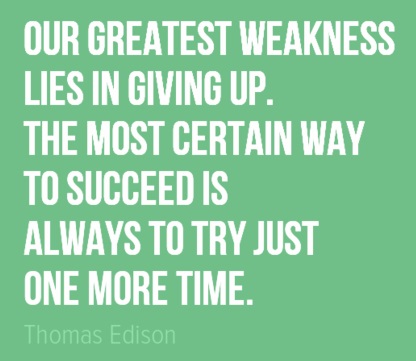
If anyone knows about rejection and failure, it's Thomas Edison. He racked up more failures and had his ideas rejected by more people than Stephen King or Dr. Suess- and even me. Sirenz had over 60 rejections. Today, four books have my name on them. I know the pain of rejection. Sure, I hate it, sometimes think it's unjustified, but see above again.

This is the lesson I learned, that every writer learns. Or artist, inventor, musician, student, businessman, etc. Even when you finish your NaNoWriMo revision, you have only begun the process. You will revise multiple times; until you're satisfied, the critique group/beta reader is satisfied, an agent is satisfied, the editor is satisfied.
It's going to hurt, I won't lie to you. There were times I threw stuff, cried, yelled, and vowed to snub everyone who rejected me once I became a famous author.
But I kept writing and revising and imagining and learning. I didn't stop. You can't if you're serious about writing. I've met too many people who say that they were too busy right now to finish the revisions, or the editor/agent doesn't know what they're talking about, or it's good enough, I'll just self-publish. (The good self-published books are thoroughly edited or they don't sell so that's not an option to skip more revisions.) Currently, I'm revising four novels. None of them have stayed the same since I wrote that first draft. Characters were removed, changed gender, given bigger roles. Places were changed, dialogue shortened or lengthened, events were put in or they were deleted, word counts increased or drastically reduced.

This is all waiting for you. Embrace it. Learn from it. Use it. Accept it.

Keep writing, keep the faith. Next week- a list of books to help you edit your manuscript so save your holiday gift $$; you'll want some of these.
Have a Merry Christmas, a wonderful New Year, a Happy Holiday for the path you follow--
Char
Monday, December 14, 2015
Seven Rules For Peace
I want peace in the world, but I also want it in my house. If everyone would just follow these seven rules, everything would be almost absolutely wonderful.
1. If it's not yours, don't touch it. That means don't steal it, don't use it without permission, Whether it's a sweater in the store, another author's novel, or your brother's car, hands off and get your own.
2. If it's broken or not working, either fix it or recycle it. It doesn't matter if it's a bicycle or a manuscript. If it doesn't work then it's not doing you any good. Replace that flat tire or rewrite that chapter. If it can't be fixed, then put it in the recycle bucket. The metal from a bike can be remade into steel cans, scenes from a novel can be reworked into a new book.
3. When you're done with it, put it where it belongs. If I allow you to use my stapler, return it to my office, to the spot on my desk where I keep it. Don't leave it in the laundry room. Same with tools, books, or quotes. The proper place for everything, and everything in its place.
4. If you broke it, you own it. Knock over a vase in a store and you own it. Break your word and you own the consequences. Be responsible and do the right thing- make good on whatever you broke.
5. Do what you're supposed to do. If your job is to take out the garbage, then do it. If you have to send revisions in by the end of the month, get it done. No excuses, no whining. Just. Do. It.
6. Pitch in. Everyone needs a hand sometimes- whether it's doing the dishes for your mom or a newbie writing that first book. If everyone gave a little back, there would be more happiness in the world-and my house.
7. It's not all about you. Everyone needs their time in the spotlight. Don't make it always about you or others will get tired of hearing you talk about you. Just give it a rest once in a while, sit in the background. The time off will give you a fresh perspective and an appreciation for relaxation.
Char
Tuesday, December 8, 2015
The Long and Twisting Road...
You write a book.
It gets published.
You get famous and make lots of money.
Well, not exactly.
Actually, no.
Let's skip talking about the millions of adoring fans throwing money at you for your latest epic for another time.
To become an author is like having a child. You decide to bring a work of art to life. You prepare (gather ideas, write the book). You get lots of nasty and/or painful tests- getting blood drawn, swallowing sickly sweet concoctions to see if you'll have high blood sugar, and we won't even talk about the internal exams. These are akin to looking at your manuscript and noticing the flaws and the holes, then having others critique it and they point out more problems. Just when you think you're done- there's another test (plot problem).
Thankfully (hopefully) you get past all that and get to the point where you send it out to an agent or editor and you wait. And wait. It's like the last two weeks of your pregnancy- you want it over, but you're afraid. Will everything be all right? Will I wish I hadn't wished that blissful ignorance away?
Then comes a response. This agent/editor tells you, great, but not for us. False alarm (akin to fake contractions called Braxton-Hicks). Maybe it happens a number of times. Pretty soon you don't care anymore (or at least you tell yourself this) and you want it over. You want to return to a normal life. (Unless you walk away from writing- put that child up for adoption- 'normal' as you know it is gone.)
Finally! An editor/agent calls or emails and they want to deliver your 'baby!' But first... there are a few changes. Pages of changes. Painful, feel like they'll rip you apart changes. This is the revision letter. All you can do is dig deep and breathe as you 'labor' to get through them. Then you get a break. You're exhausted.
But you know it's not over. It may have just begun, with still a long road ahead of many more revision letters (contractions).
After one last push (revision) it's done. The editor/agent accepts it and you can sleep, rest, do other things.
Wait- before your baby can go out into the world, there needs to be more suffering- vaccination shots- (we call them editorial changes). Ouch. It's hard to watch someone hurt your baby, but it's got to be done. And then suddenly the baby is free to go out into the world (book debut!).
It's dangerous out there...mean people (reviewers) who say bad things. People, like kids at school, who don't like your baby and won't put them in the bookstore for various stupid reasons. Your baby may be alone, unnoticed. Not popular.
For a long time you deal with this, pieces of your heart broken because your beloved has to suffer.
So what do you do?
You decide you want another.... And it begins again...
Happy writing! (Happy parenthood too.)
Char
(I'm in the painful delivery stage- breathing through another set of revisions. For #NaNoWriMos, this is generally the hardest stage... We'll do it together on National Novel Revision Month in February, so rest up and get ready!)
Wait- before your baby can go out into the world, there needs to be more suffering- vaccination shots- (we call them editorial changes). Ouch. It's hard to watch someone hurt your baby, but it's got to be done. And then suddenly the baby is free to go out into the world (book debut!).
It's dangerous out there...mean people (reviewers) who say bad things. People, like kids at school, who don't like your baby and won't put them in the bookstore for various stupid reasons. Your baby may be alone, unnoticed. Not popular.
For a long time you deal with this, pieces of your heart broken because your beloved has to suffer.
So what do you do?
You decide you want another.... And it begins again...
Happy writing! (Happy parenthood too.)
Char
(I'm in the painful delivery stage- breathing through another set of revisions. For #NaNoWriMos, this is generally the hardest stage... We'll do it together on National Novel Revision Month in February, so rest up and get ready!)
Monday, November 30, 2015
Announcing... The End - and The Beginning.
It's over. No begging for one more day.
NaNoWriMo 2015 is history.
Didn't finish your manuscript?
Didn't make the 50,000 word count?
Vowing to never do NaNoWriMo again because you feel like a failure?
But... what about all your accomplishments?
Yes, you've achieved something.
You made a commitment to write.
You wrote words, sentences, paragraphs, chapters.
You created characters and scenes.
You looked at your work with a critical eye as you wrote and mentally made notes what needed to be revised, re-written, or removed.
You talked with others, exchanging information or tips or encouragement.
You were part of a large community which stretched beyond your writing space- across your town, state, nation, continent.
You're burning to finish your book.
That's quite a list of accomplishments. Stand up straight and proud, and let your voice be strong when you talk about all of these.
Now it's time to Begin. Whether you've finished your book or still have to wrap it up, you need one more thing:
Revisions.
You, me, Stephen King, James Patterson, JK Rowling- we all need to smooth and polish and sharpen our work. No one gets away from doing it.
So in February (yes, I know it's a short month) we're all going to do #NaNoRevMo (National Novel Writing Revision Month). I have manuscripts to revise, and by February all the holidays are behind us. You have all of January to finish your work. Since you've whittled down the 50,000 by whatever word count you have, you can finish it without the frantic pressure. But use the routine you had (or maybe should have had...) during #NaNoWriMo should help to keep you going until you type The End.
While you're finishing up or taking a break, I will post revision tips from authors, editors, agents. Some posts may be a repeat of what you've seen. Don't even look at them until your novel is finished. Then, we'll all starting revising on February 1st. It should take you less time to do this initial revision than it took to write your novel. Hopefully you won't have to scrap and rewrite large chunks, but if you do, that's okay! There are no prizes for finishing by February 28th so don't fret. The goal is to revise- not to make yourself so frustrated that you quit.
Let's do this.
And when we're done, we'll chat about our experiences and share our accomplishments.
Till then,
Char
Subscribe to:
Posts (Atom)